Startup Product
Coxa
A Smart Home Kit for students and more
Overview
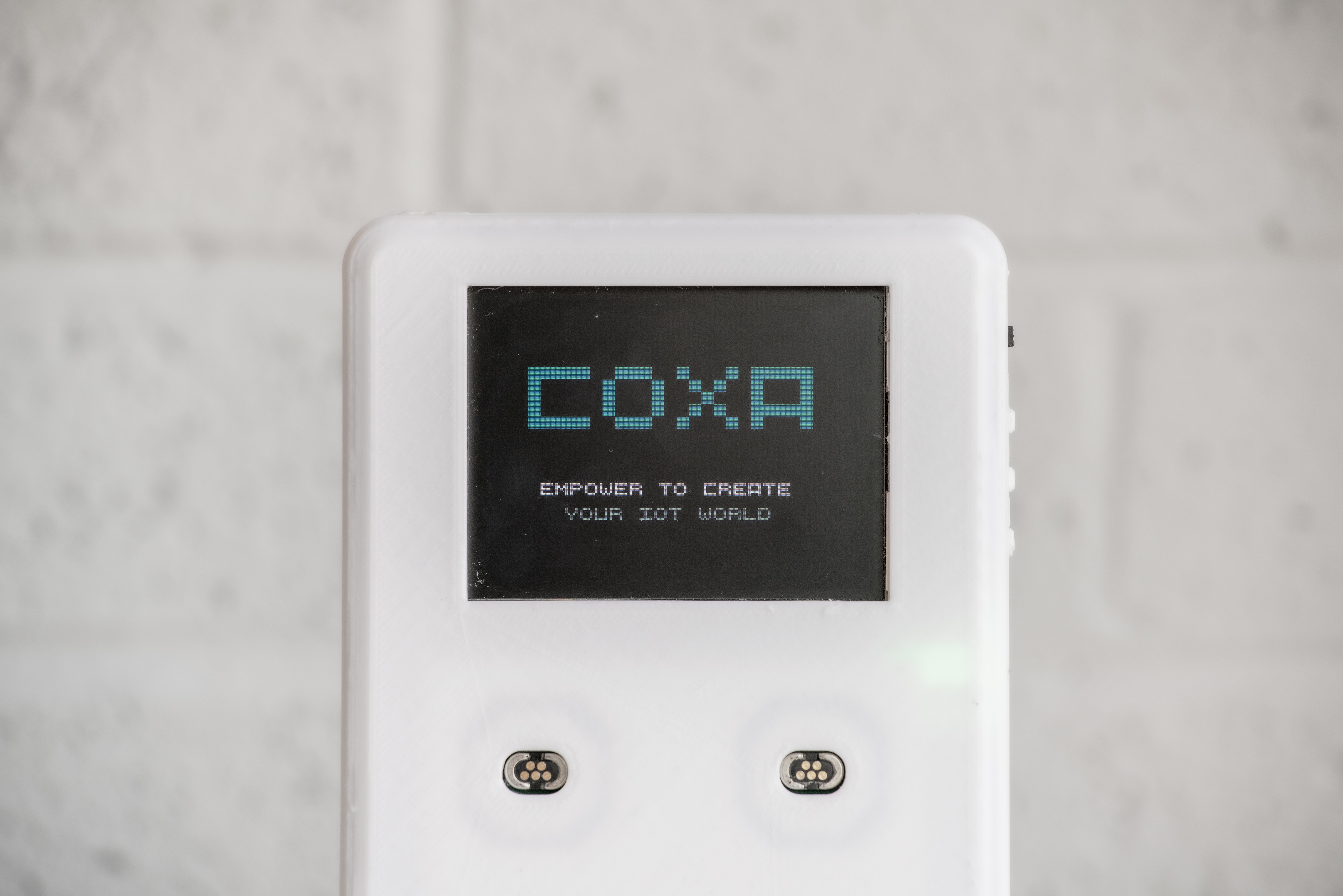
COXA is an IoT system created by Coxana Innovation Limited that aims to provide a customisable and user-friendly solution for individuals to explore smart home technologies. The project uses the latest technology to enable the seamless integration of devices and sensors in homes through a user-friendly interface, allowing users to control and monitor their home appliances and systems remotely.
My Role
As the CTO, my responsibilities included leading the software development of the application, following up on user feedback, researching the markets and competitors, and prototyping for investor demonstration. I was responsible for leading the technical direction based on business requirements, user expectations, and technical requirements.
Project Goals
The COXA System project aims to address the need for a cutting-edge IoT system that provides a platform for individuals to explore and experiment with the latest smart home technologies. The project focuses on building a robust and reliable IoT system that offers various features such as real-time monitoring, remote control, and automation of various home appliances. The system's architecture is designed to enable easy connectivity and communication between various devices and sensors, making it possible to build a comprehensive and intelligent home automation system.
Tools & Methods
I used a variety of tools and UX methods, including Competitor Scan, Adobe XD, User Testing, and Feedback Sessions. The key performance metrics for the COXA System project included the battery lifetime of the IoT system, the setup time for first-time users, and the System Usability Scale. Stakeholders included the research and user testing team, CEO, investors, collaborating schools, and others.
Usability Testing
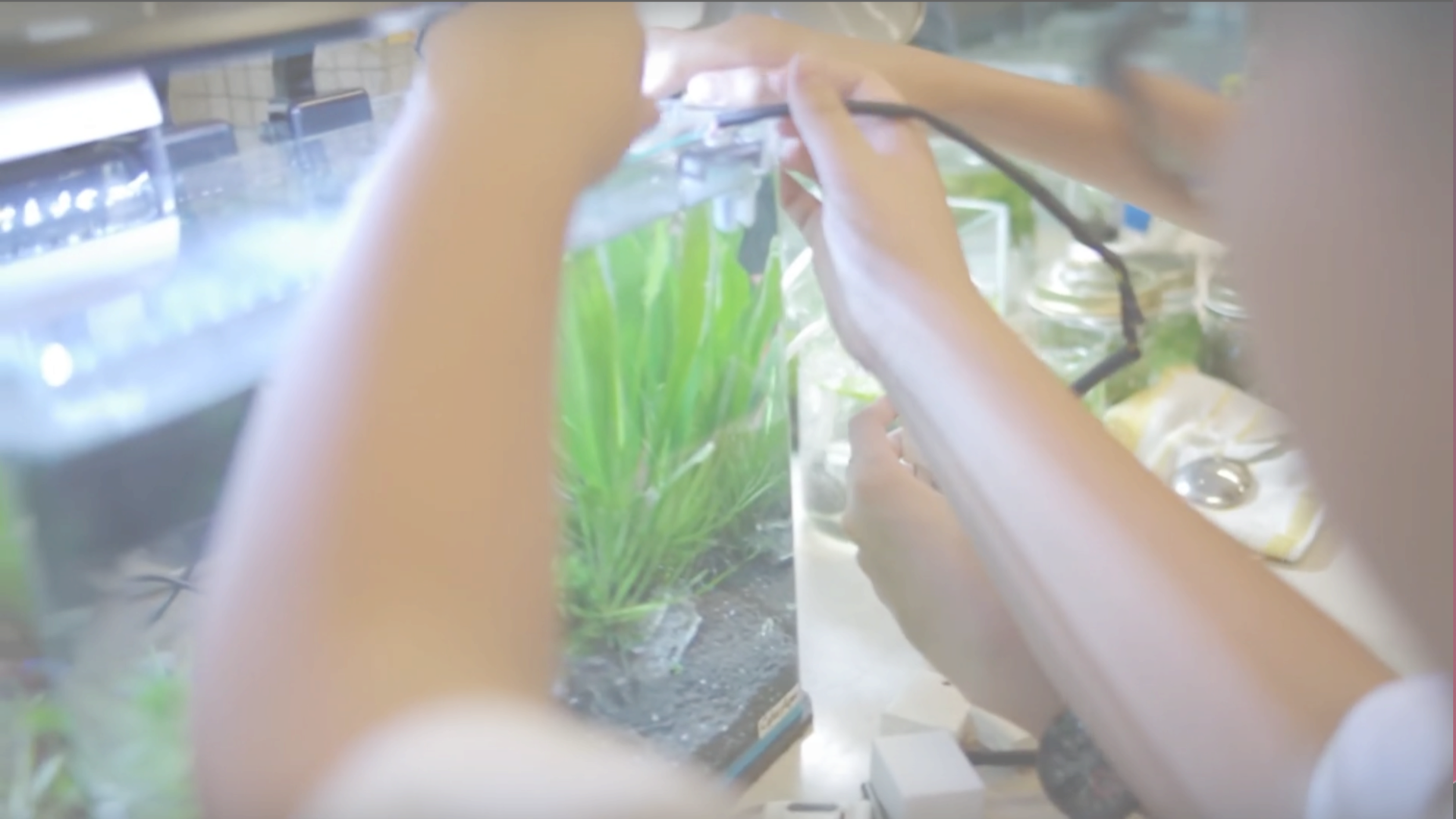
Usability testing is a user-centered approach to evaluate the effectiveness, efficiency, and satisfaction of a product in meeting the needs of its intended users. Groups of students were invited to set up a system from scratch with COXA to assess usability and identify issues before release.
- Planning — define goals: user satisfaction and system usability
- Recruiting — students invited to set up the system
- Preparing the testing environment to simulate real-world use
- Conducting the sessions with task-based observation
- Analyzing the results for usability issues and opportunities
- Reporting and implementing the findings
Competitor Scan
A competitor scan was conducted across smart-home IoT companies to understand market trends and identify differentiation opportunities for COXA.
- Amazon — Echo & Alexa: smart speakers, displays, security devices
- Google — Nest: speakers, displays, thermostats, security
- Apple — HomeKit: speakers, hubs, security
- Samsung — SmartThings: hubs, sensors, security
- Philips — Hue: smart lighting
- Other: Honeywell, Belkin, Nest, Wink
Setup Sample
Design — The App
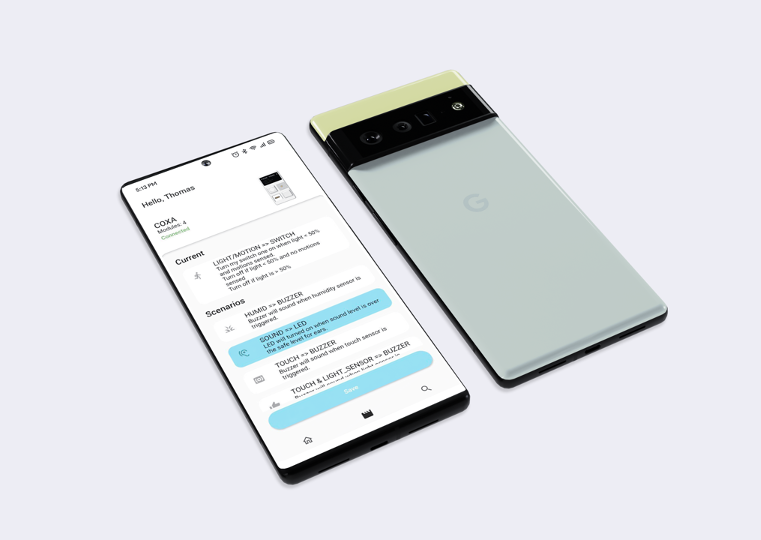
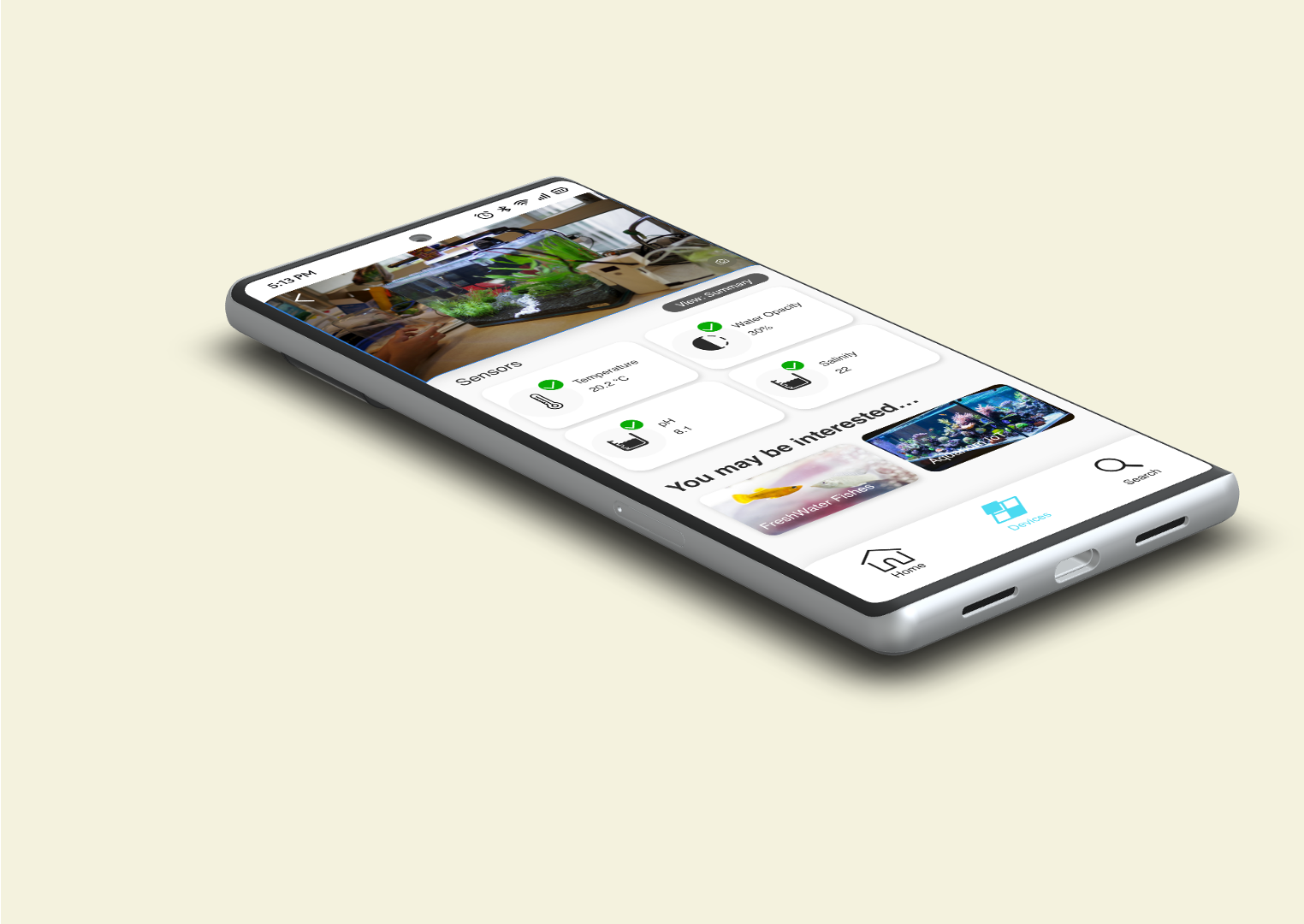
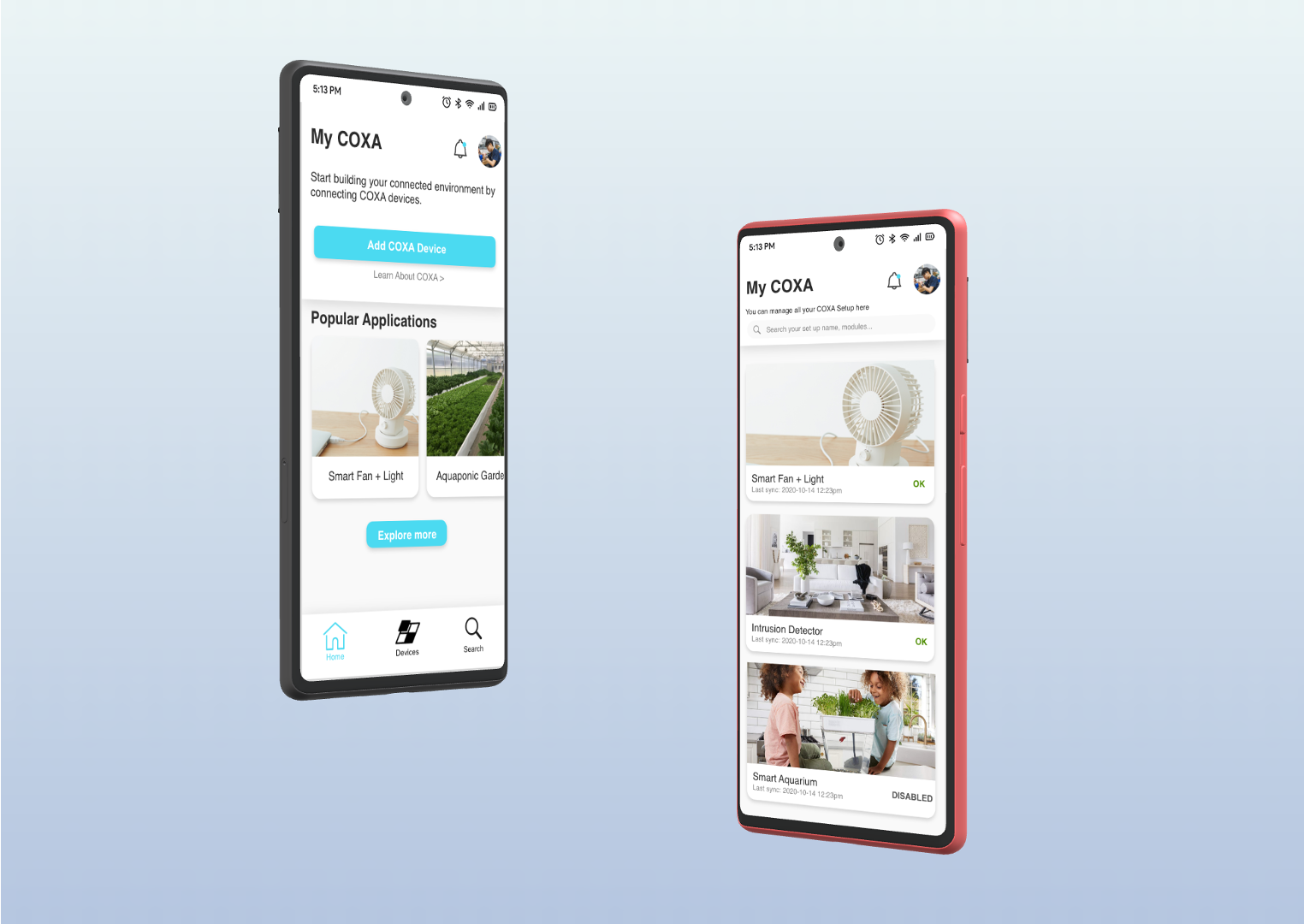
The app allows users to control and manage their smart home kits — turning lights on/off, adjusting temperature, opening/closing doors and more. It is designed to be user-friendly with an intuitive interface. Users can pre-set scenarios for quick controls (e.g. a 'Goodnight' scene that turns off lights, locks doors and sets the thermostat). The smart card feature suggests usage ideas, particularly helpful for users new to smart home technology. System monitoring and data analysis features let users track performance over time and adjust for efficiency.
Design — Hardware
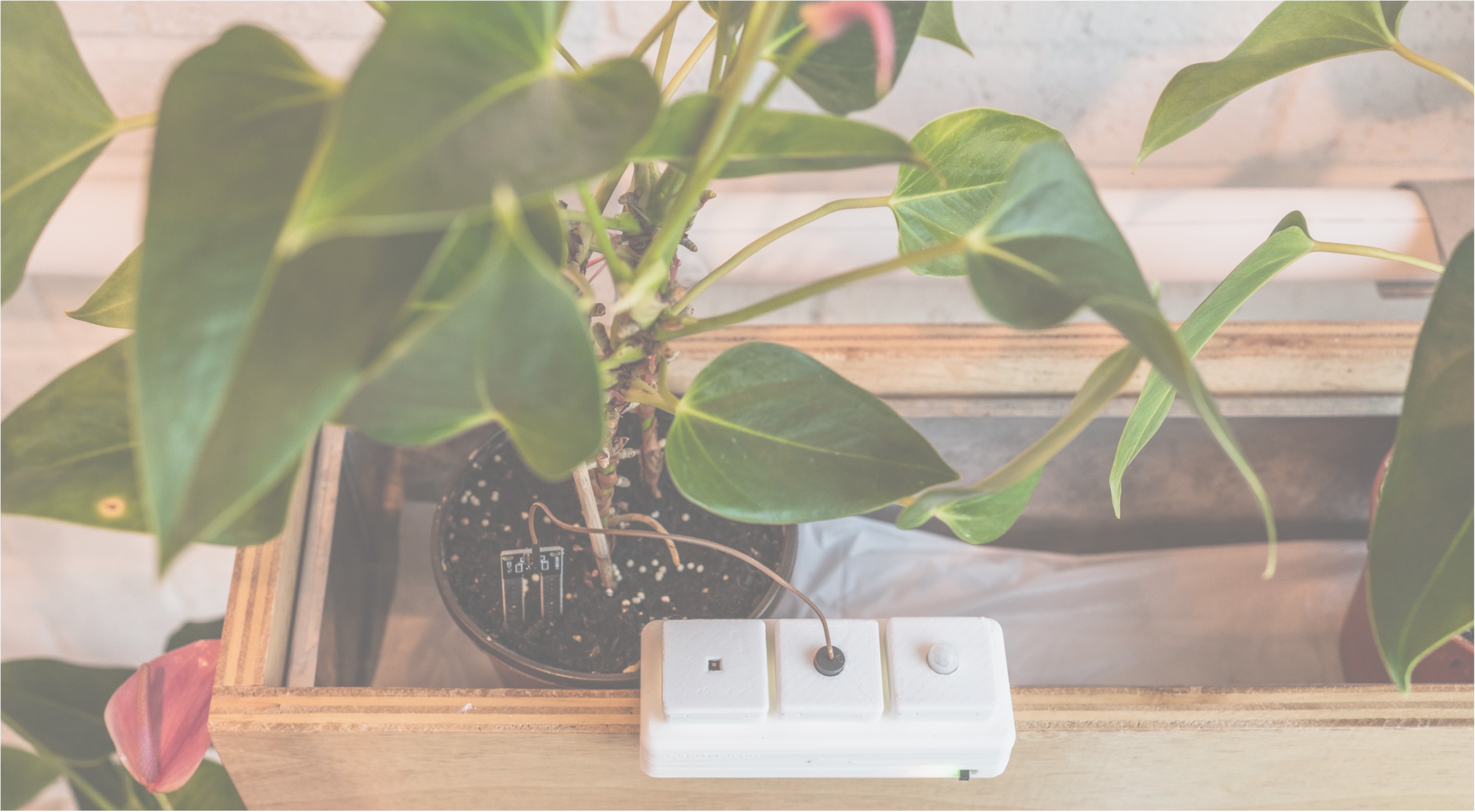
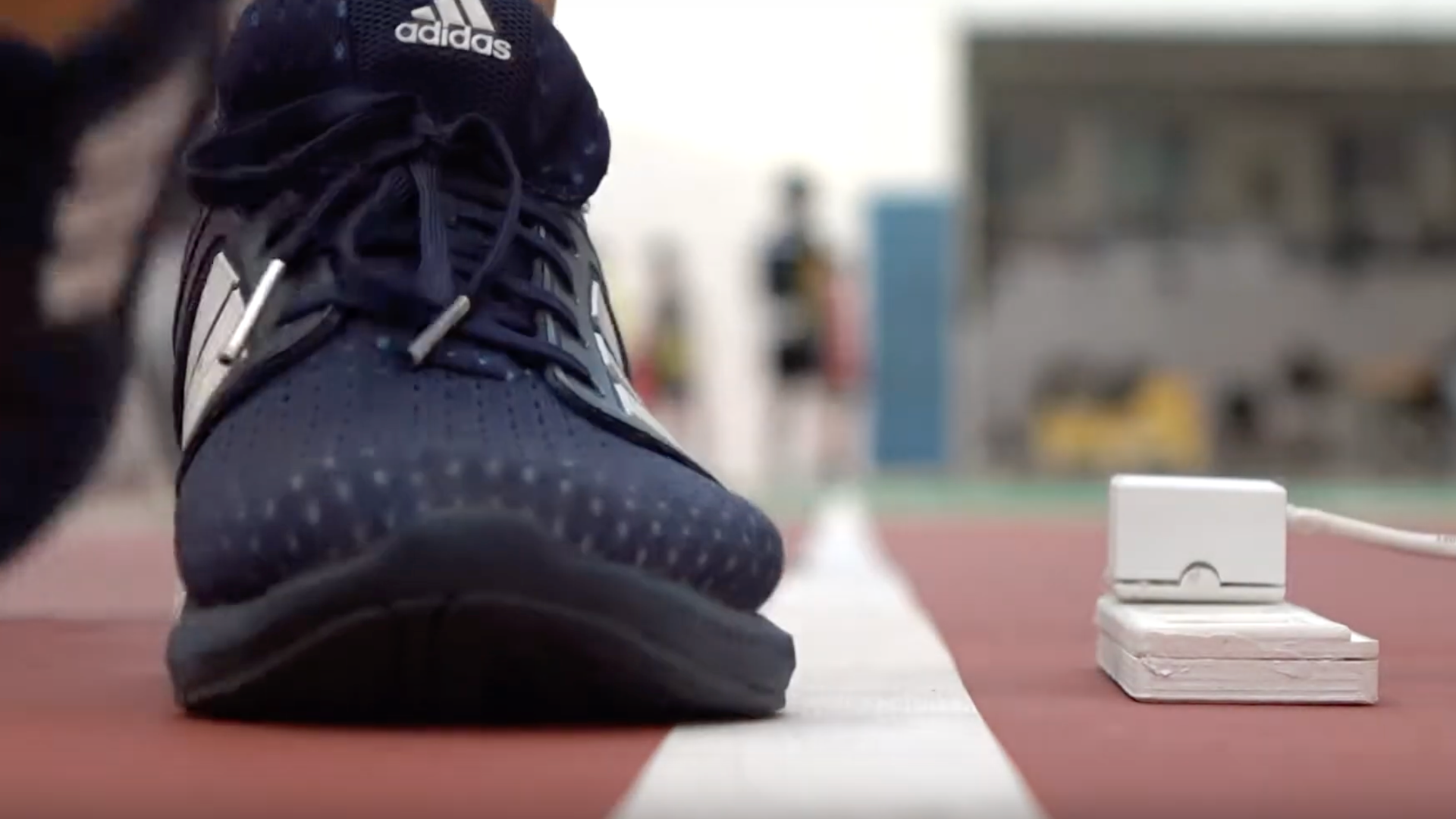
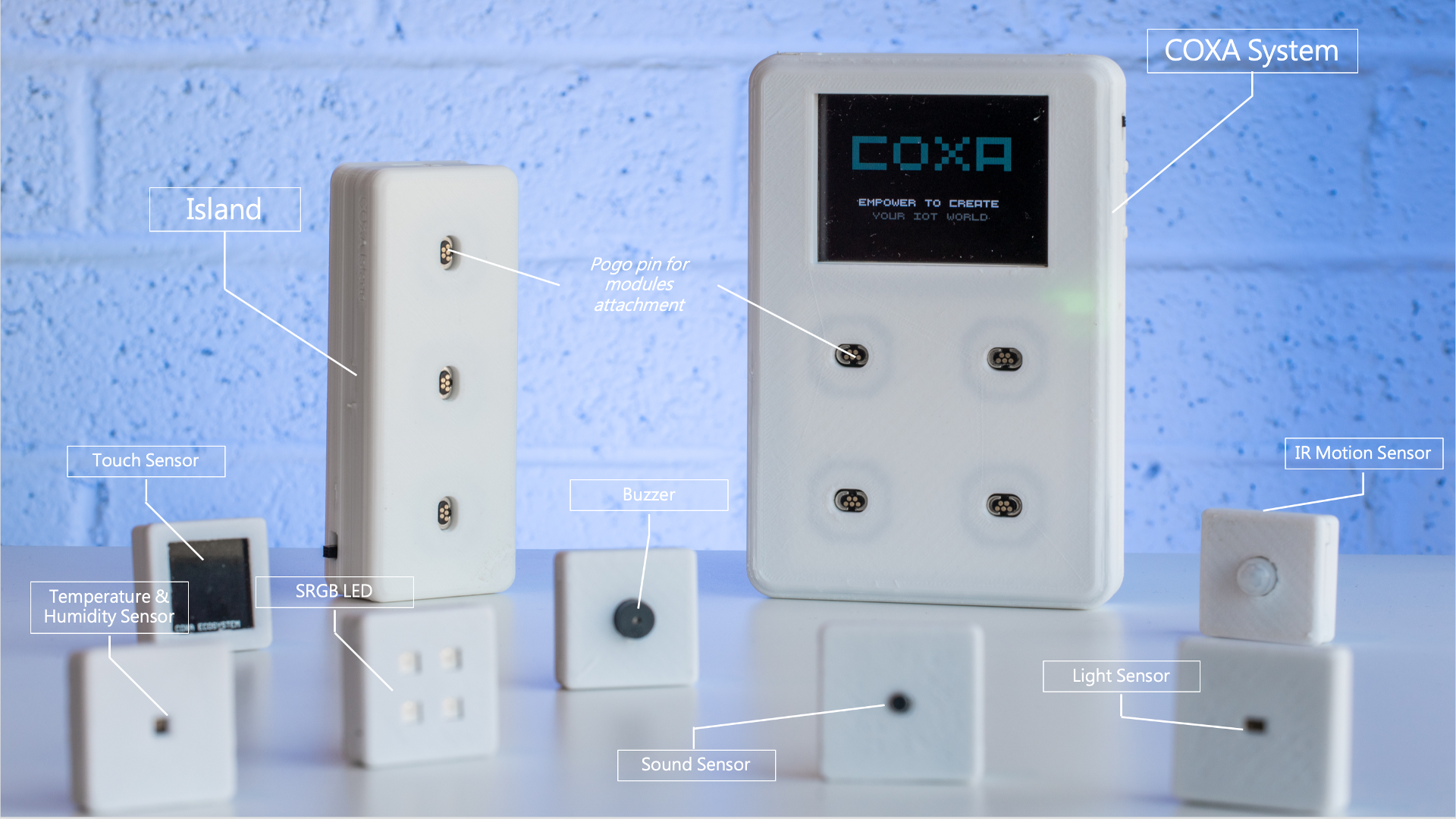
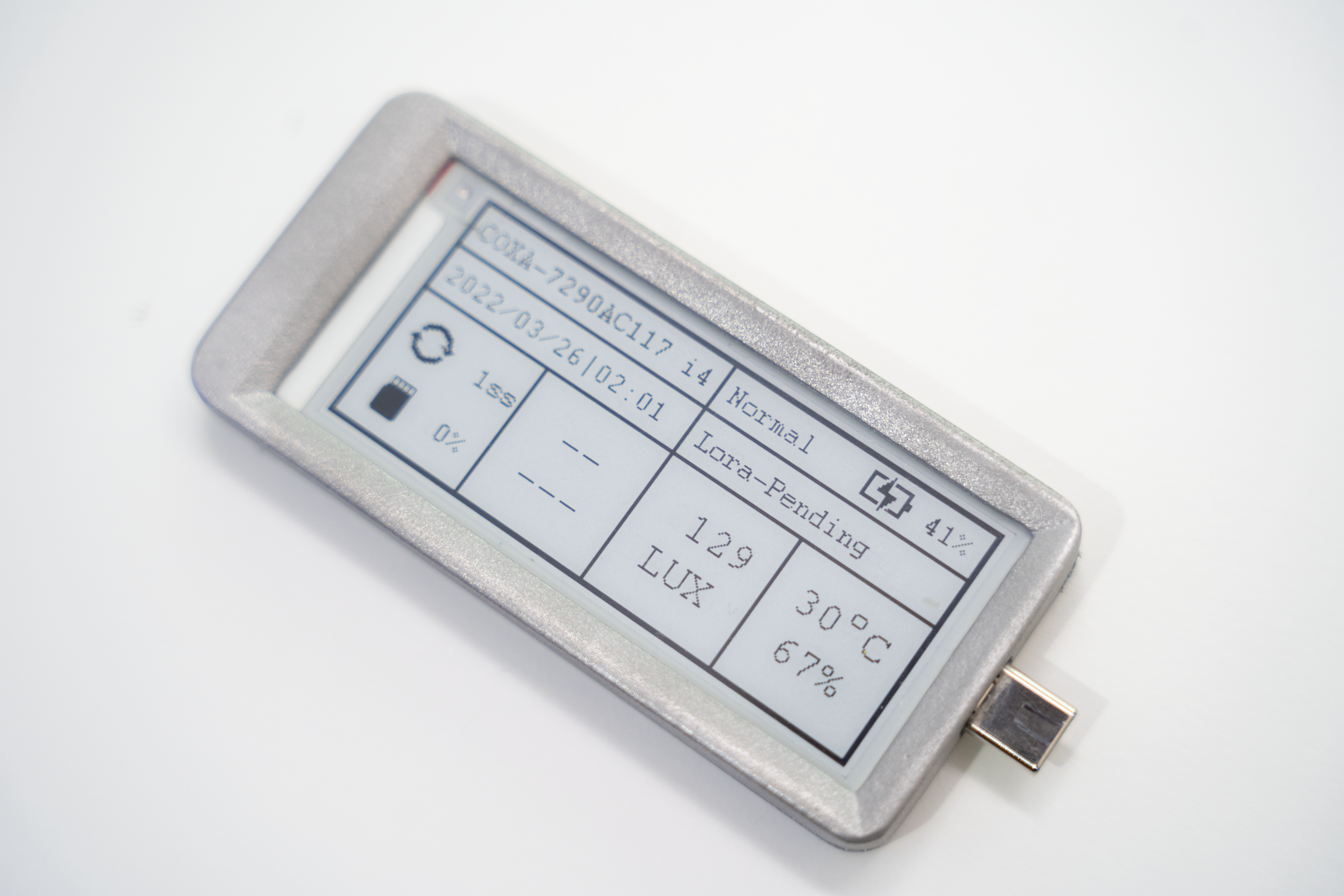
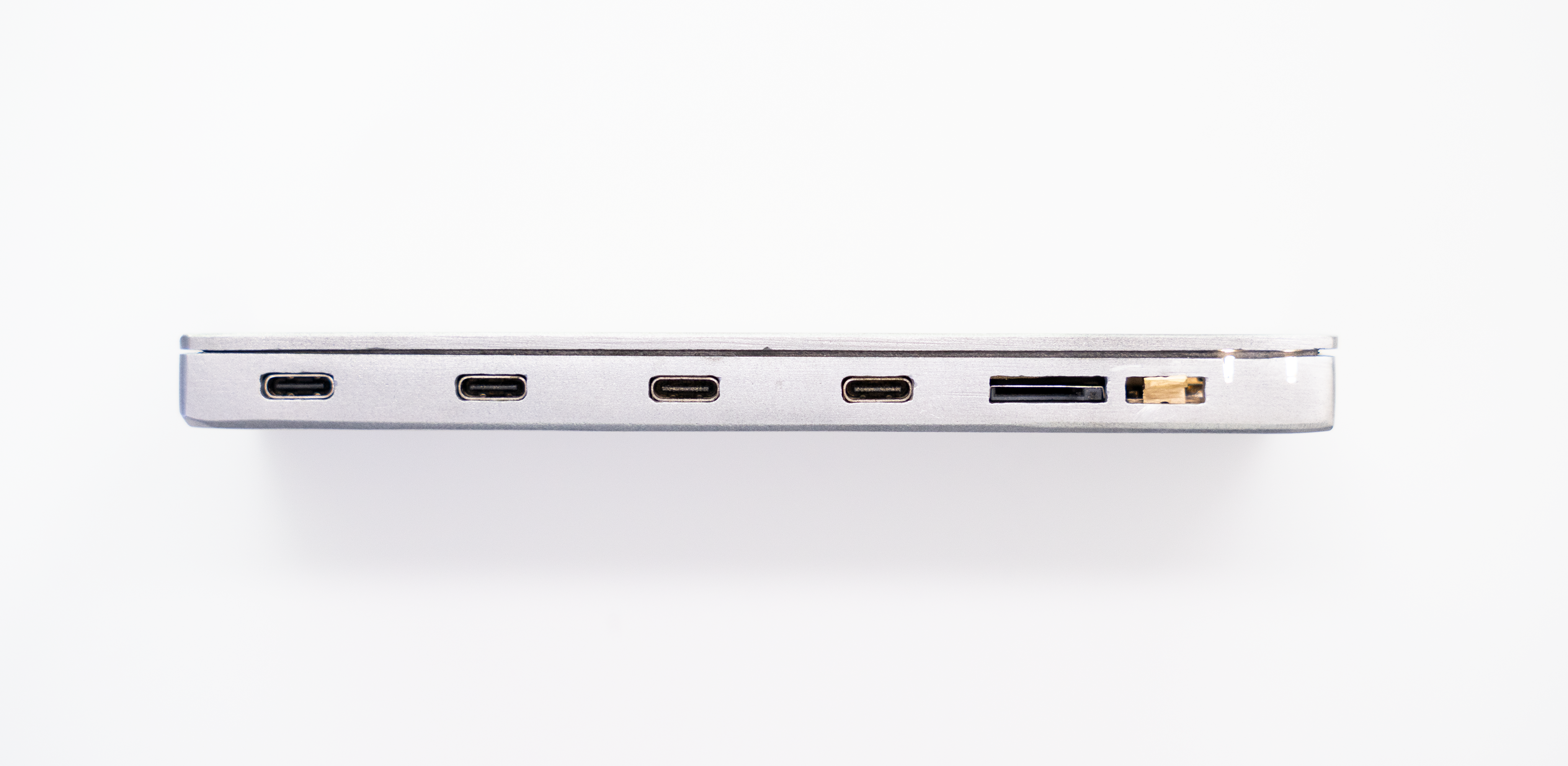
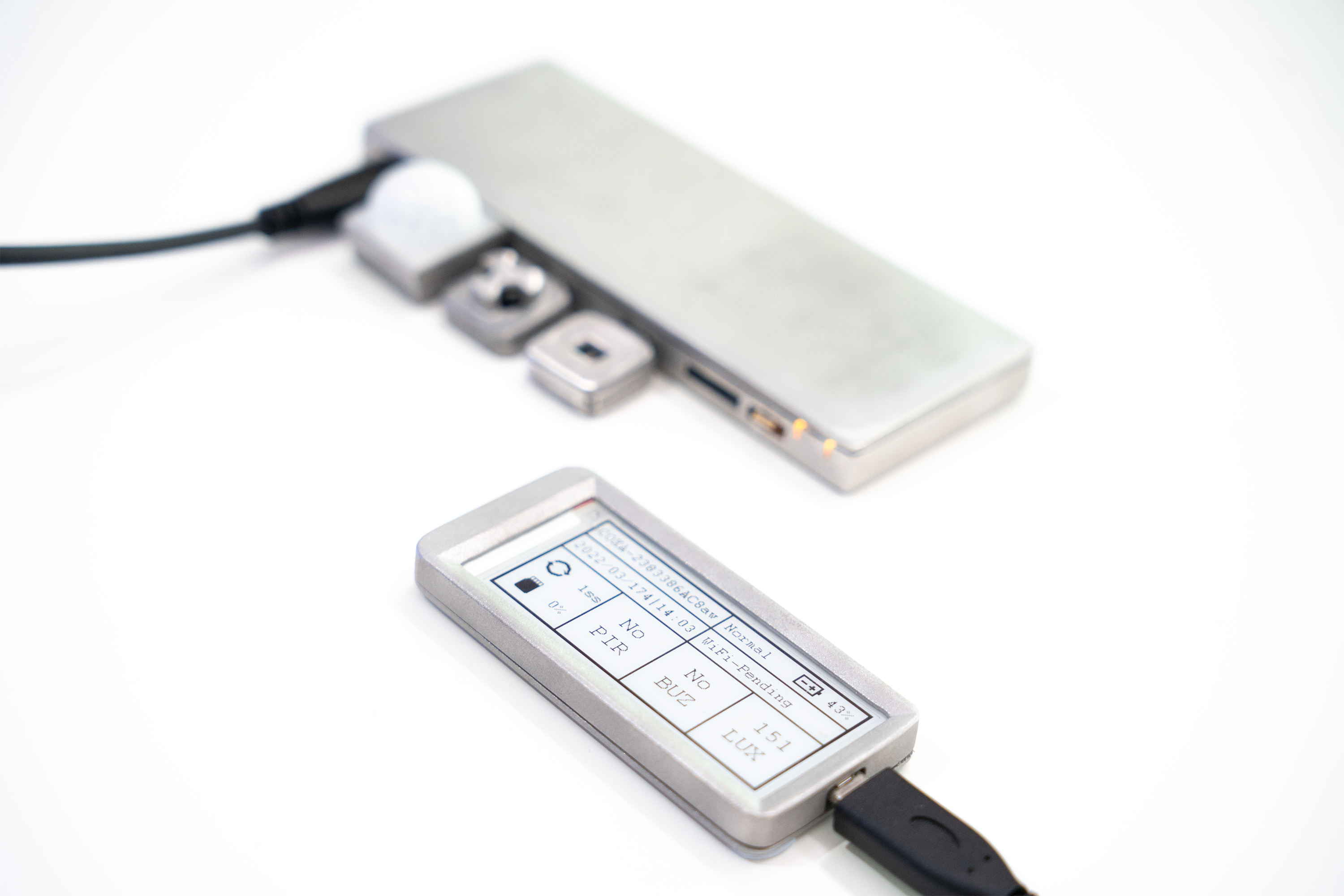
The hardware refers to the physical components of the smart home kits. Two versions were developed. Version 1 features a plastic casing and a magnet pin — lightweight, easy to install, and the magnet pin allows users to snap modules to the island easily. Version 2 was built after feedback sessions, featuring a metal casing for durability and a type-c connector for universal compatibility.
Conclusion
I gained valuable insights into managing business and user requirements, collaborating with vendors, and utilising prototyping to illustrate ideas. During the User Research phase, we discovered that schools expected additional resources alongside the product, the initial version was challenging to set up, the casing required improvement, and there was no similar product to ours — highlighting the need to leverage our unique selling points. The most arduous aspect was acquiring funding from investors due to the technical nature of our product and the non-technical background of the investor panel. We overcame this by presenting a working prototype that showcased functionalities while explaining technical details in accessible language. Moving forward, we plan to use Persona and Scenario tools alongside Figma/Adobe XD for clearer investor demonstration. Leading the team and sharing my experience to ensure their success was the most fulfilling aspect of the project.